


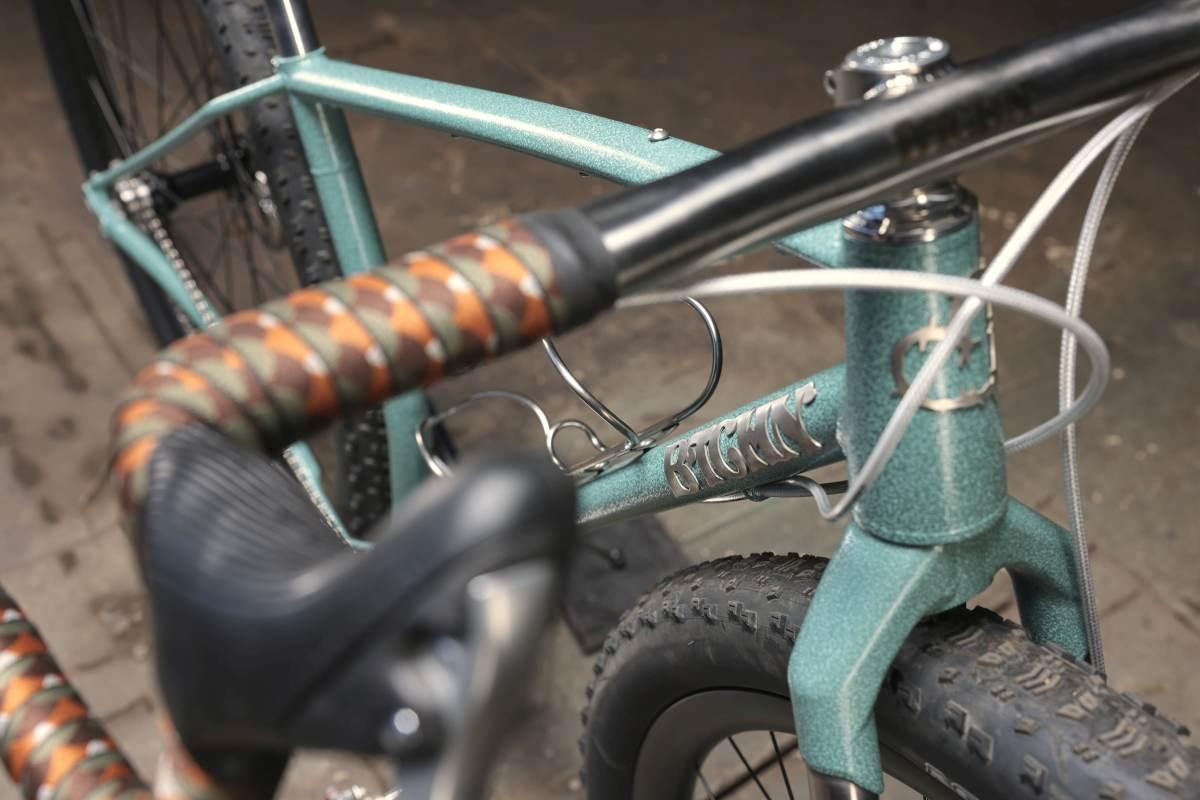
32 Inch Gravel Bikes
32″ wheels may be worthwhile for a tall individual, think someone 6’6″, Shaq, and so on. A custom builder can build a bike that looks right proportionally and fit wise, but for most of us, we don’t need the bigger wheel size. In this video, my reasons why I reckon 32″ wheels are a bad idea for the masses, your opinion may differ, share your comments below.
32 Inch Gravel Bikes Opinion Video
Alternative Video Link for those reading via email subscription
In this video, JOM of Gravel Cyclist shares his thoughts and opinions on the 32 inch wheel size.
Why 32 Inch Gravel Bikes Could be a Bad Idea
- Standover Height: Unless you’re tall, that top tube is going to be positioned uncomfortably close to your groin.
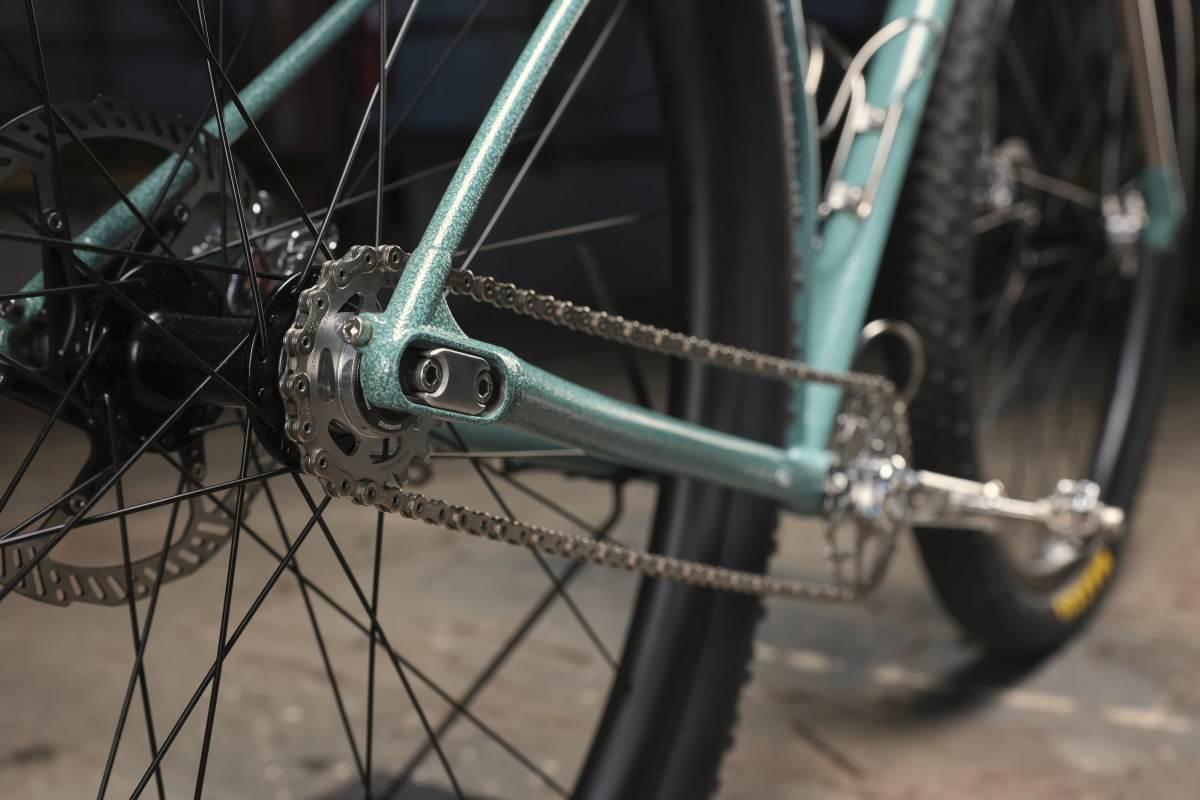
- Heavy tires / tyres. On the market we have 700c x 55mm gravel tyres weighing 690 grams, what are 32″ tyres going to weigh? Weight at the worst possible point too, outer circumference of the wheel.
- Slower Acceleration. More mass to get moving.
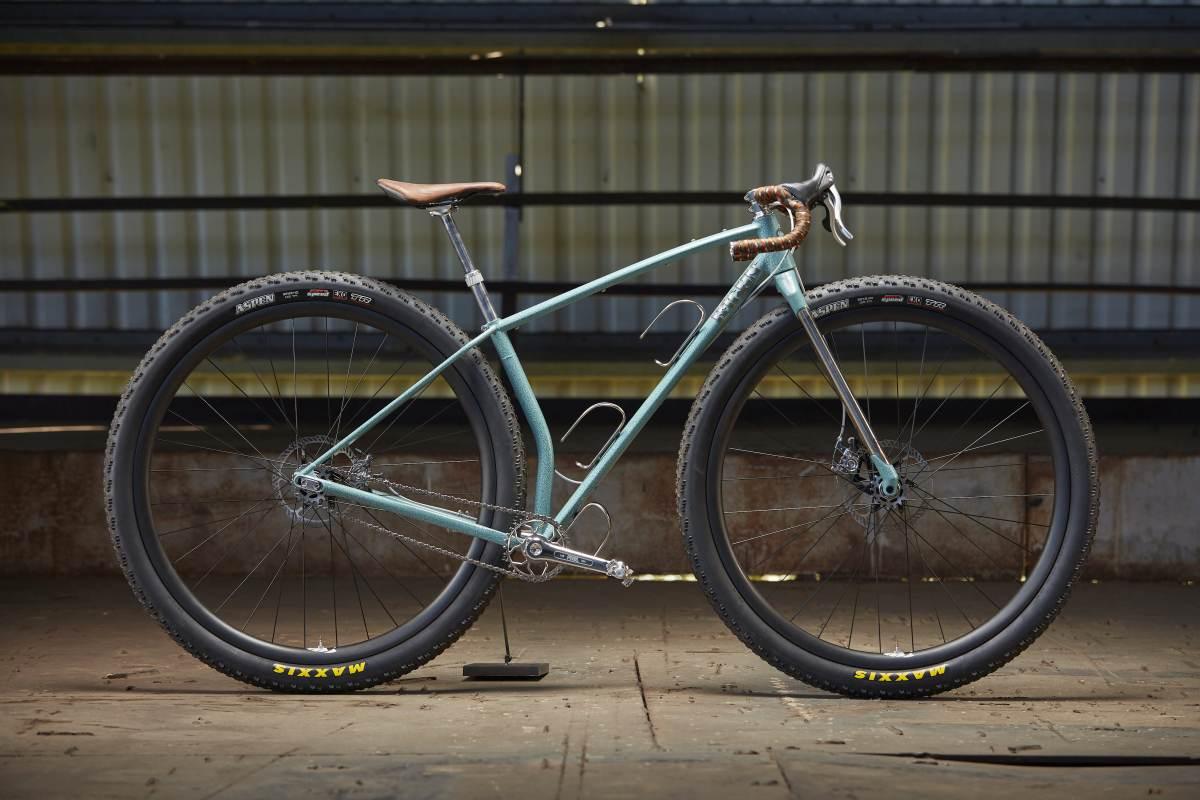
- Heavier wheels, almost the same point as the tires / tyres, more rim material, more weight.
- Heavier frames, longer wheelbase. 32″ wheels could make for an amazing ride across corrugations / washboard with a limousine long wheelbase, and dependent on geometry, will the bike feel slow and lumbering?
- Gearing, I noticed gearing issues pushing 700c x 55 Schwable G-One RS One Pro tires / tyres due their increased overall circumference. My low gear of a single chainring (1x 40T) paired to a low gear of 46T on the cassette, didn’t seem that low when I was creeping up 15+% grades in my Aussie homeland late in 2025. It didn’t help that the 165mm cranks I was riding didn’t mesh well with my climbing style. For a 2x setup, I expect you would need to swap chainrings from a 46/30T pairing, down to a 42/28T pairing to have gears that mesh well with a 32 inch wheel.
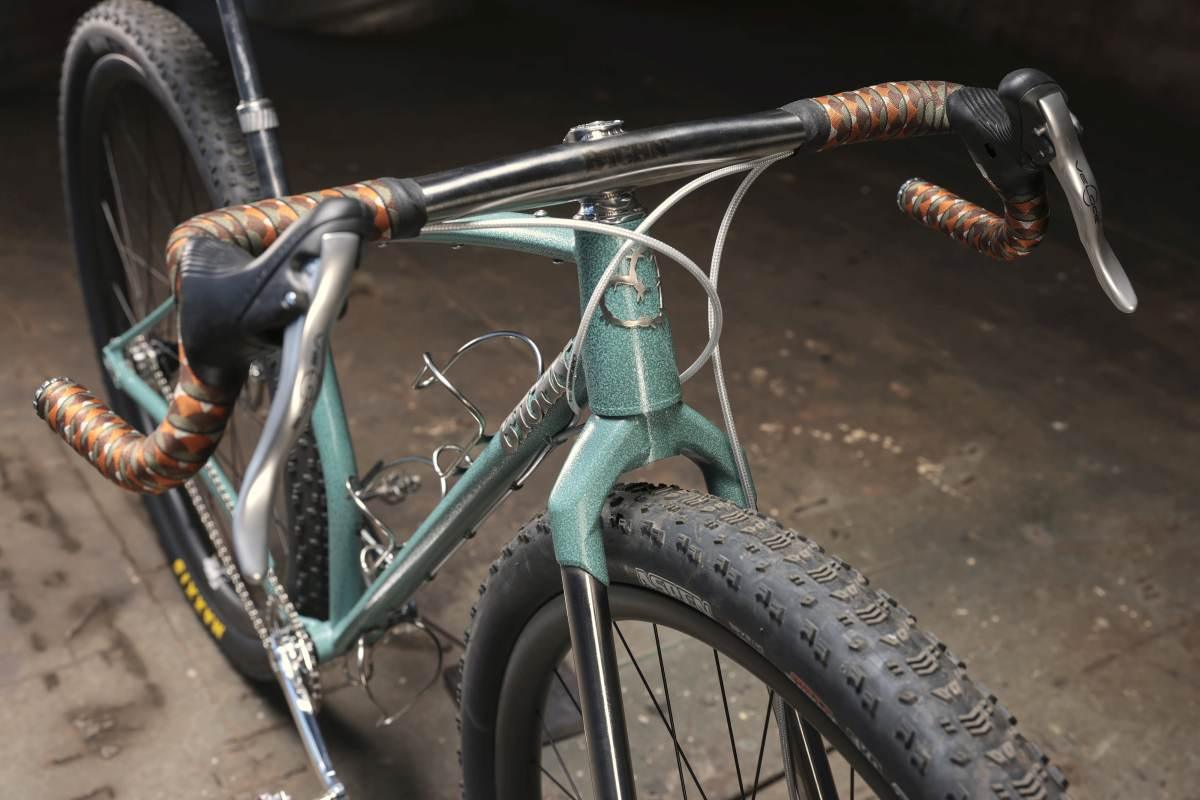
- You may need to consider riding shorter cranks with the 32 inch wheel size.
- Aerodynamics. While most of us don’t give a flying farrrk about aero on a gravel bike, you may be sitting higher, cutting a broader profile into the wind. Adding to that, a strong cross wind would certain love profile of a 32 inch wheel.
- Transport issues. I fly my bike a decent amount utilizing the EVOC Road Bike Bag Pro. That bike case cannot physically accommodate the 32 inch wheel size. Adding to that, my 700c gravel bikes typically weight about 48lbs. Thus, with a larger case, larger tyres, larger wheels, the overall package will now weigh more than 50lbs, which is the physical weight limited for my preferred airline, American Airlines. I would be charged excessive baggage fees for the privilege of carrying my bike aboard, versus typically being free. Toting a 32 inch gravel bike about the place inside my Chrysler Pacific Hybrid Minivan poses new challenges.
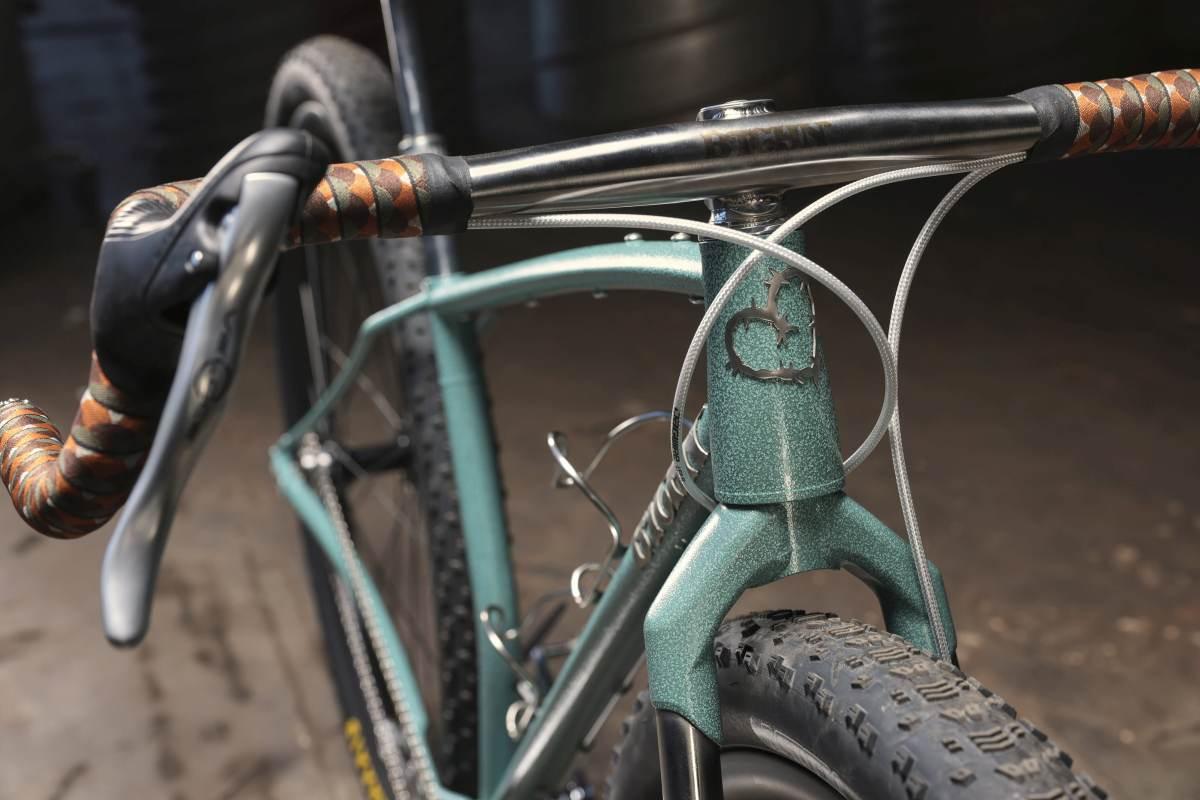
- If you ride singletrack on your gravel bike, any tight spots, well, that’s made very difficult by the larger wheels and tyres / tires.
- Bike Industry in reactionary mode to 32 inch wheels and FOMO (fear of missing out)?
Reminder
ALWAYS BE A STEWARD FOR GRAVEL CYCLING: Respect the roads, respect the locals, respect the land, respect your fellow cyclists.
Support Gravel Cyclist:
Buy Me a Coffee – https://www.buymeacoffee.com/gravelcyclist
OR
Patreon – https://www.patreon.com/gravelcyclist
Links of Interest:
- 32in Gravel Bikes are Here: BTCHN Bikes 32in Gravel Bike
- MADE Show Builder Bikes A to D 2025
- MADE Show Builder Bikes E to L 2025
- MADE Show Builder Bikes M to R 2025
- MADE Show Builder Bikes S to W: THE END 2025, THE FINALE
- Schwalbe G-One RS PRO 700x55mm No BS Tire Review
- Ari Shafer 3.0 Long-Term Review
- I Tried Shorter Cranks on a Gravel Bike (so you don’t have to)
- North Florida Freeride Gravel Series
- How to Create Amazing & Fun Gravel Routes!
- Gravel Cyclist’s Route Library
- Gravel Bike Tire / Tyre Pressure Recommendations
Don’t forget to Like the Gravel Cyclist Facebook page, follow G.C. on Instagram, and subscribe to our Youtube Channel. We are also on Twitter!
Hi JOM, most of your reasons are either exaggerated or incorrect. I’ll go through line by line:
– Standover will be minimally affected. The front of the toptube will likely rise for most riders/sizes, but the back can be wherever the designer wants. The overall standover doesn’t have to raise by much. Also is standover really a significant issue for experienced cyclists on gravel roads?
– Bikerumor weighed a 32×2.4 Aspen at 812 grams. The difference isn’t nothing, but it’s not a ton either
– Sure, rotating mass will slow acceleration a bit. Prolly don’t want 32″ wheels for crits
– Wheel weight is gonna be like tire weight: not nothing but not huge. I’d expect 30-50 extra grams per wheel
– You kinda hit 2 seperate points here. 1) Some frames will certainly be heavier, but with carbon and ti bikes adding a little more material doesn’t skyrocket the weight that much. Steel 32″ bikes will be porkers for sure 2) Though many bikes will, especially in the first gen that’s rolling out, 32″ bikes don’t have to have longer wheelbases. The rear end can be quite tight if the designer prioritizes that. Front end is a little more complicated since toe overlap may need to be figured in with some sizes. With the front ends getting extended by a lot of brands’ gravel bikes already, some sizes will be fine without pushing the wheel any further
– Changing to a 2T smaller chainring is usually gonna be pretty painless
– Crank length can come into the toe overlap equation mentioned above
– 100%, if I was gonna travel with a bike I wouldn’t pick a 32″
– Singletrack gets back to the wheelbase argument. Some designs won’t be any longer or more cumbersome than current bikes, at least down to a certain size (I think 56cm is still very doable with few geo changes)
– I personally have been waiting for 32″ wheels since I first saw all my MTB PRs get faster when I made the switch from 26″ to 29″ all those years ago. I’m anxious to see what kind of rolling resistance data people put out there soon, but if this wheel size bump brings similar speed/efficiency improvements I’ll definitely have instant FOMO
I’m not saying you’re wrong, however most all of your arguments track exactly with those against early 29ers. I’ve put my personal 32″ mountain bike plans on hold, however every person I’ve spoken to that’s actually ridden a 32er (aside from Adam Sklar) has been very positive about the performance, especially in rollover and momentum, of 32-inch wheels.
Time will tell…