


Toot Engineering Tritone Gravel Bike
Height comes from the wheel, not the frame. – Toot Engineering
Felix Ritzinger is over 1.91 meters tall and has long legs. He rides for the RH77 team, which usually uses Swiss bikes, but this time he chose to have his gravel frame developed and built by the team that in 2025 allowed him to race the Berlin Six Days on the track with sensations that “I hadn’t felt since I was under 17: stiffness, reactivity, precision riding. With my height, my physique, I thought I’d never be able to feel them under my ass again.”
On a stock frame, whatever the largest size listed, the position it can maintain remains a compromise between how far down the front it can go and how far it has to stretch to get there. Reach and stack are aligned: the stack grows with the height of the athlete but the reach.
It doesn’t increase proportionally. The result is a high, short position, the opposite of what Felix needs. At the Gravel Burn, the South African stage race scheduled for late October, he will use a frame designed around his body.
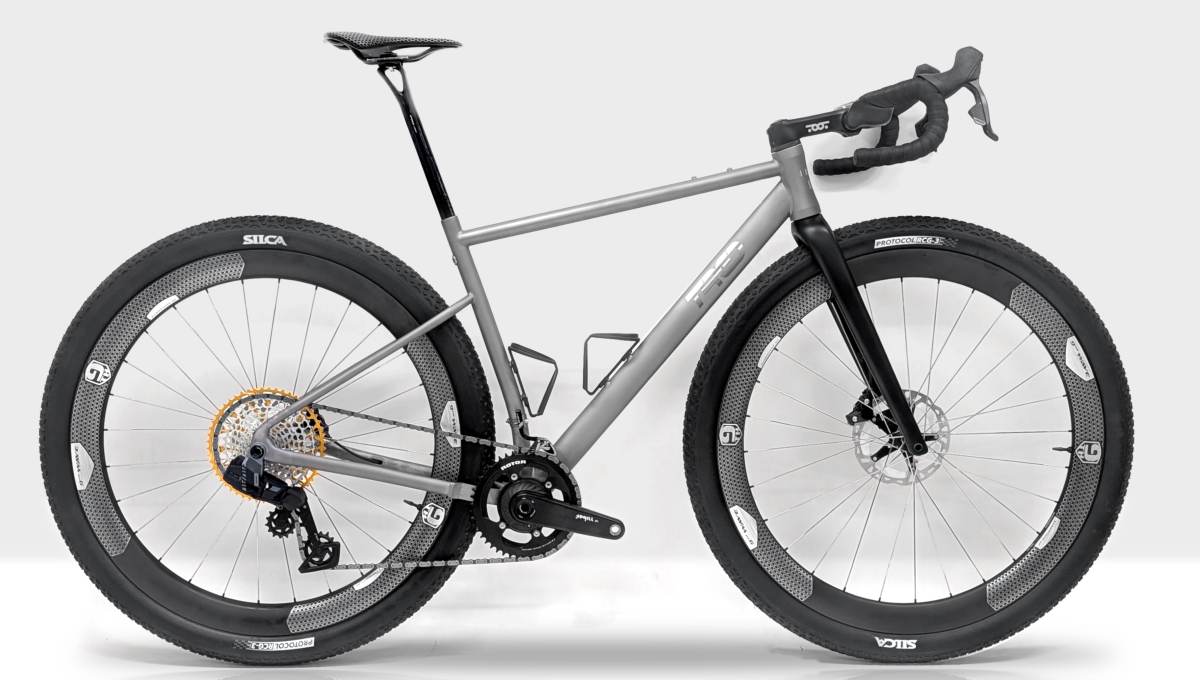
It’s called TRITONE. It mounts 32-inch wheels, and it mounts them for a reason other than the large diameter that made it into gravel.
Why a 32″ Bike?
The bike industry divides frames into sizes because a mold costs money and must be amortized across many identical pieces. It’s an industrial rationale, and for an average-sized body, it works. For a 1.91 meter tall rider with a high inseam, the calculation is different: to raise the handlebars where needed, you lengthen the head tube, and with the head tube, you lengthen the triangles, and a long triangle is a triangle that flexes regardless of material and specific stiffness. Geometry, understood as trigonometry, and physics never lie.
On TRITONE the height of the hand rest comes from another place.
The wheel is large and the fork, designed specifically for this frame, has 445 mm from axle to crown: together they bring the hand rests at least 8 cm higher than a 700C and simulator tests have highlighted an optimization of the pedaling together with a reduction in drag of more than 10%.
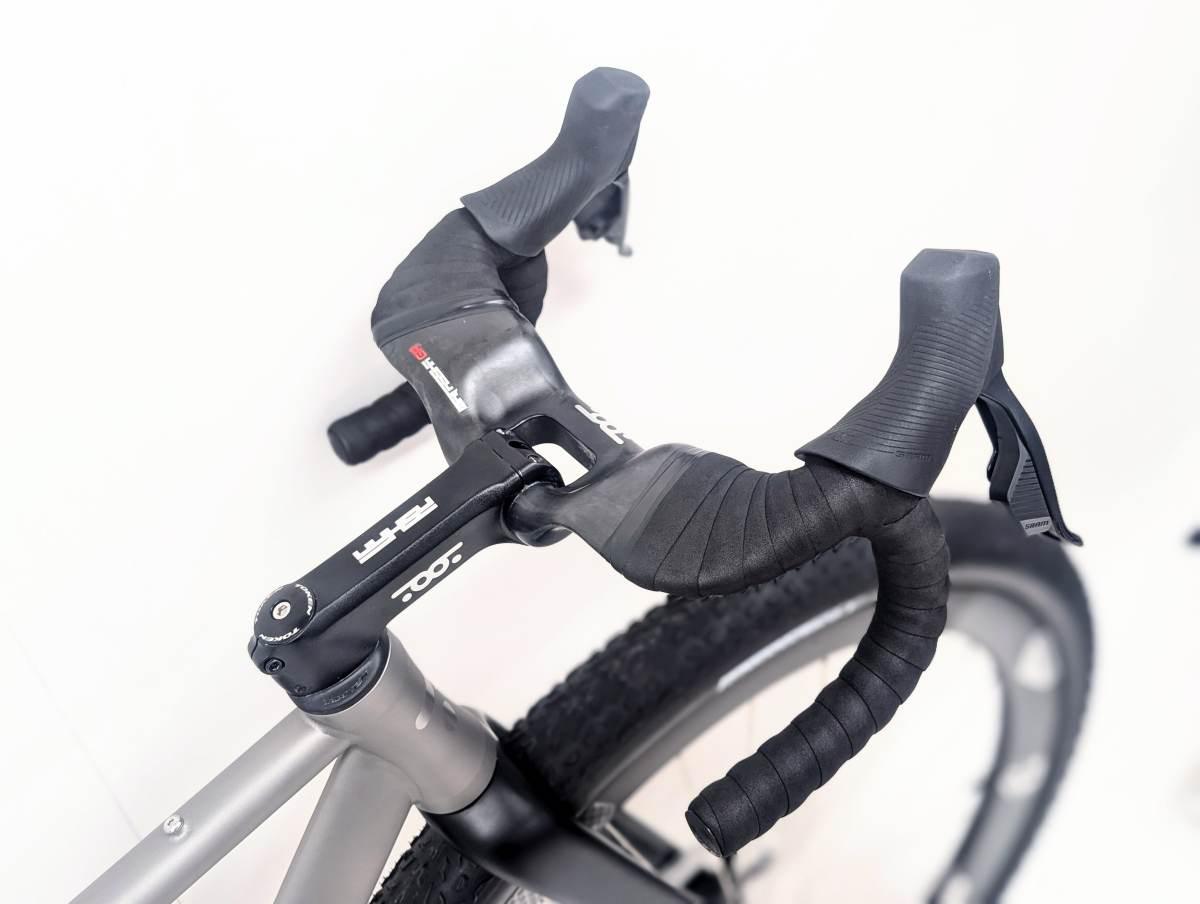
The frame itself has a very low stack.
The front triangle remains small, and a small front triangle is responsive and stiff.
It’s the same low-stack, small-triangle logic of track bikes coming out of the TOOT RACING lab, applied to a body that usually produces the opposite result. Here, the stack is low compared to the wheel diameter.
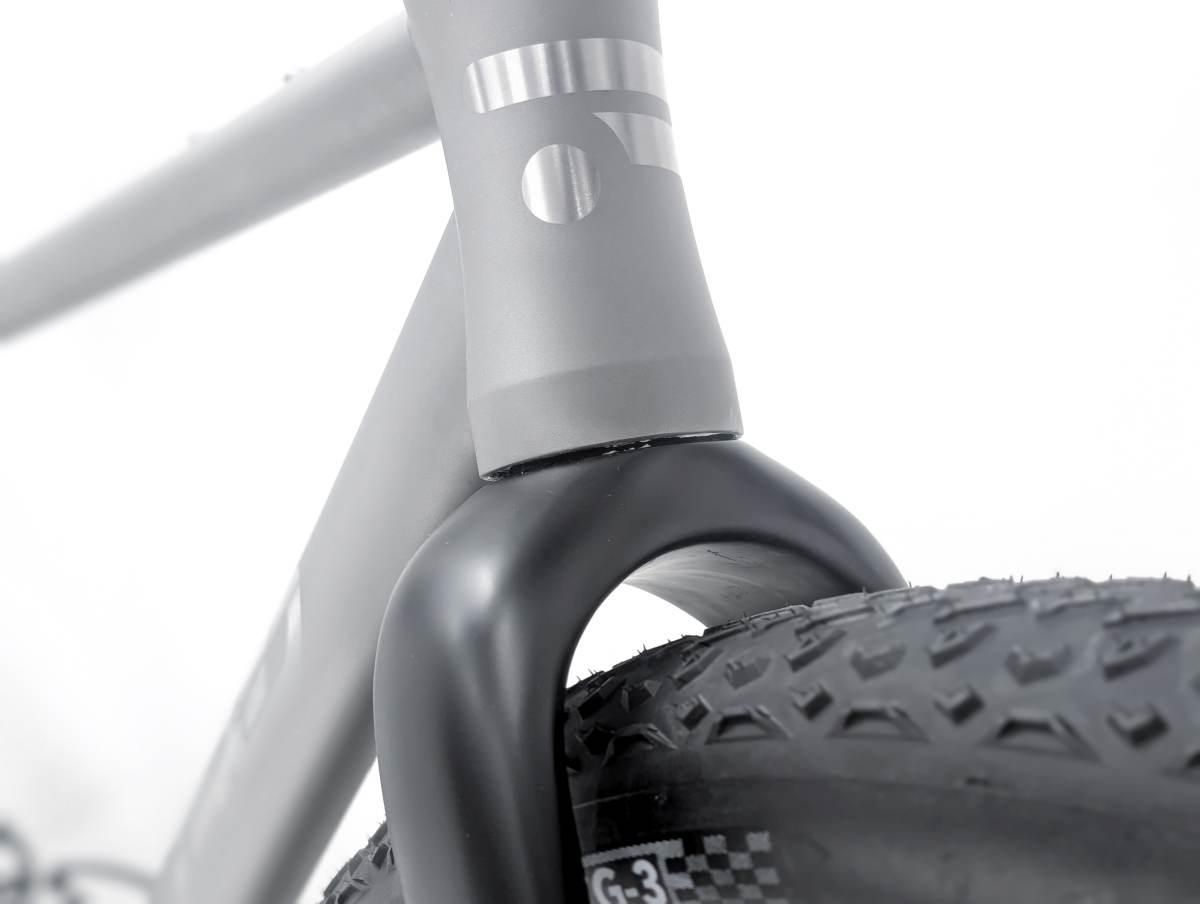
The price you typically pay—a short, stiff bike lacks absorption, typically resulting in poor traction and low comfort—is the wheel and wheelbase. The large diameter and long wheelbase restore the comfort that a short triangle would otherwise detract from.
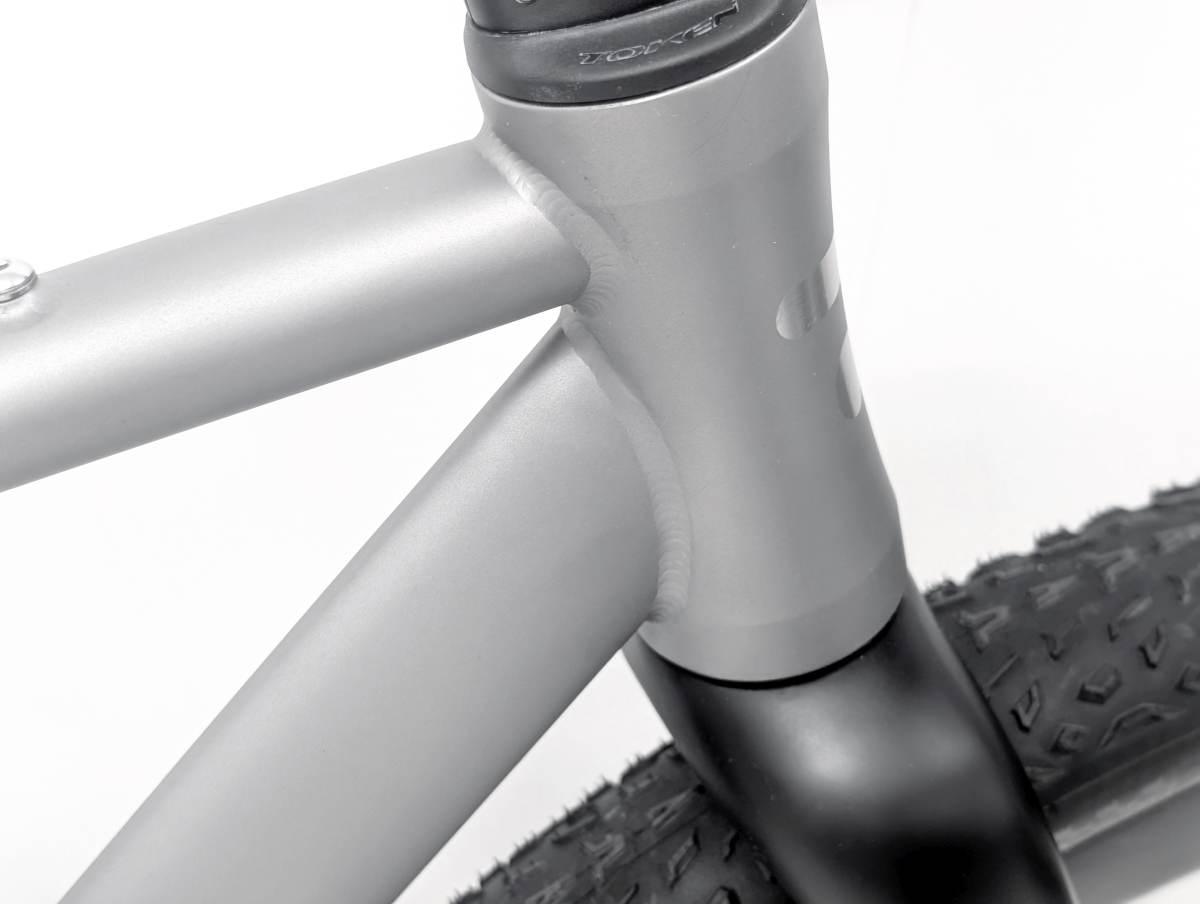
The inherent limitation of the 32″ is less agility in tight spaces and on U-turns, so the TRITONE’s front-end geometry was subjected to extensive simulation testing to balance stability and agility. The design of a dedicated fork allowed us to work on an unusual trail for bikes with 700C wheels.
THE REAR DOES THREE THINGS TOGETHER
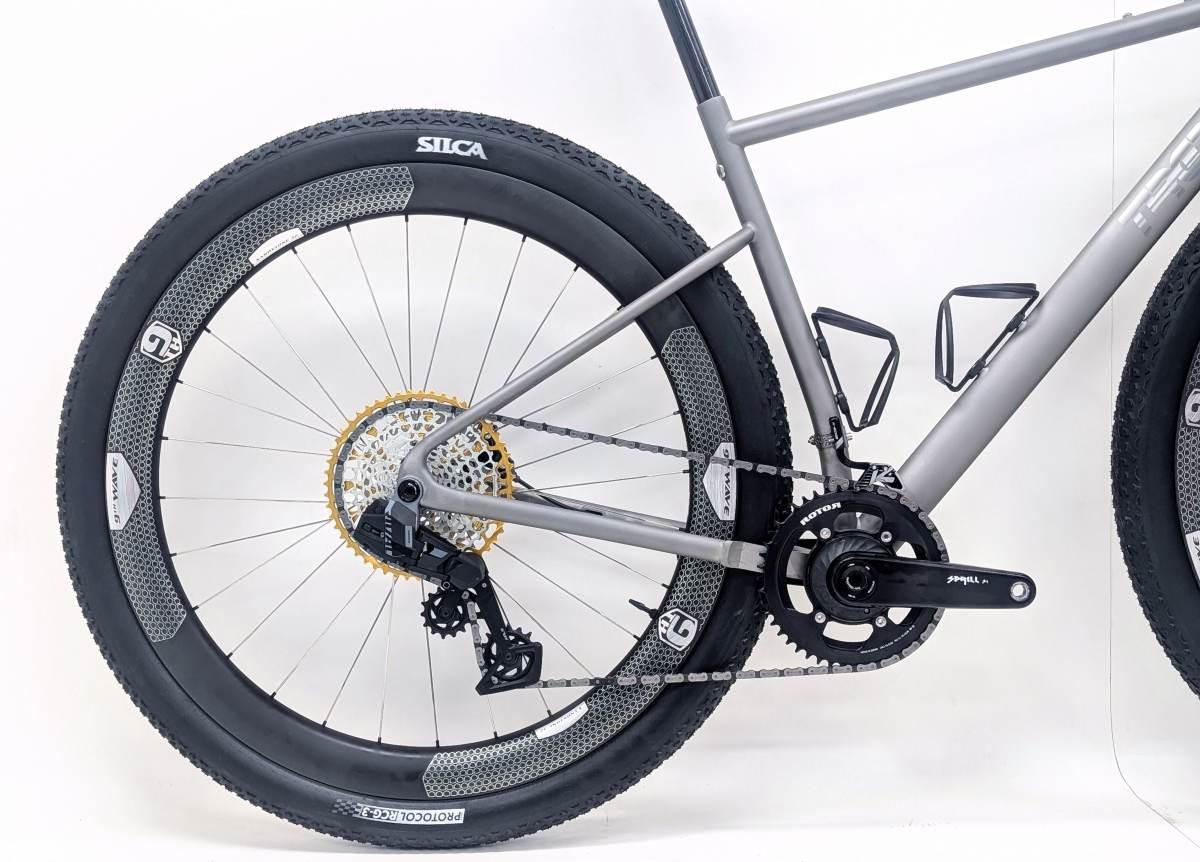
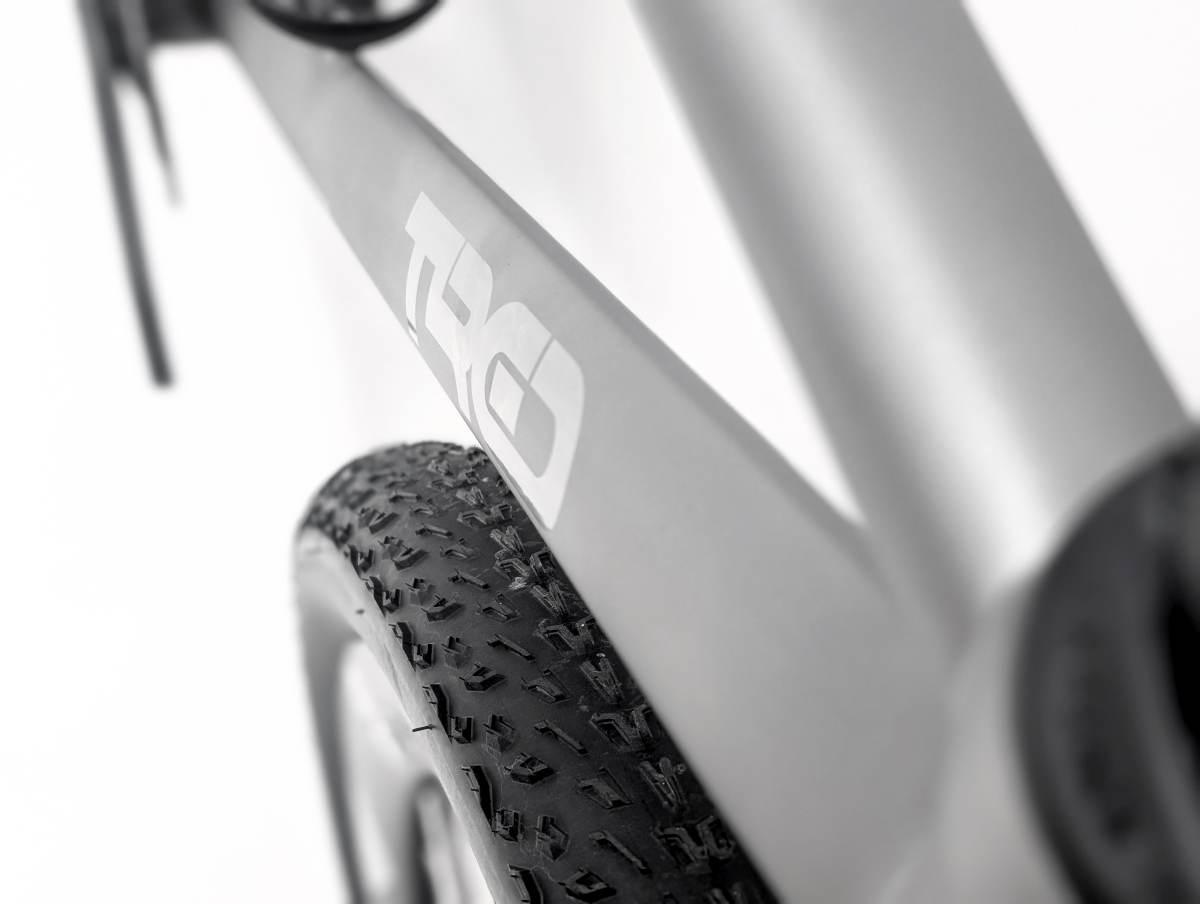
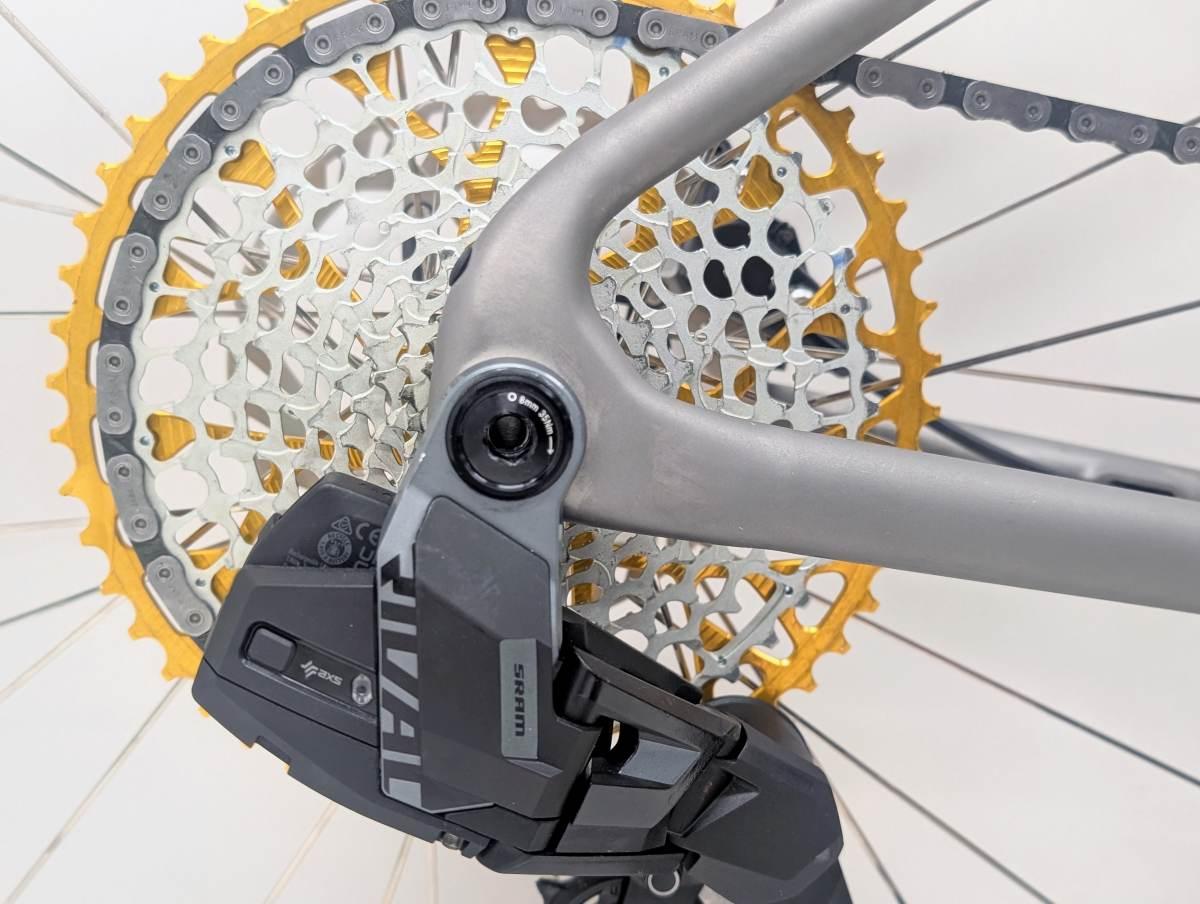
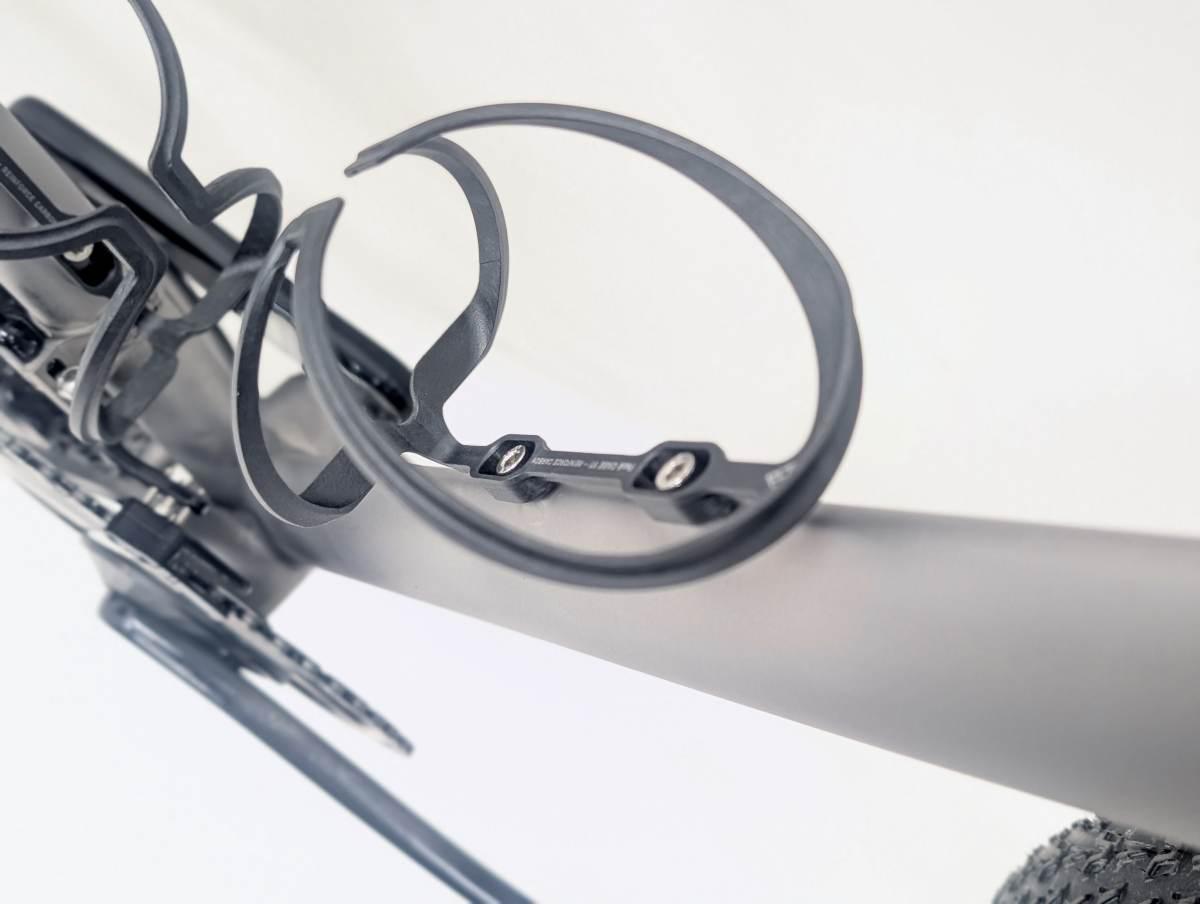
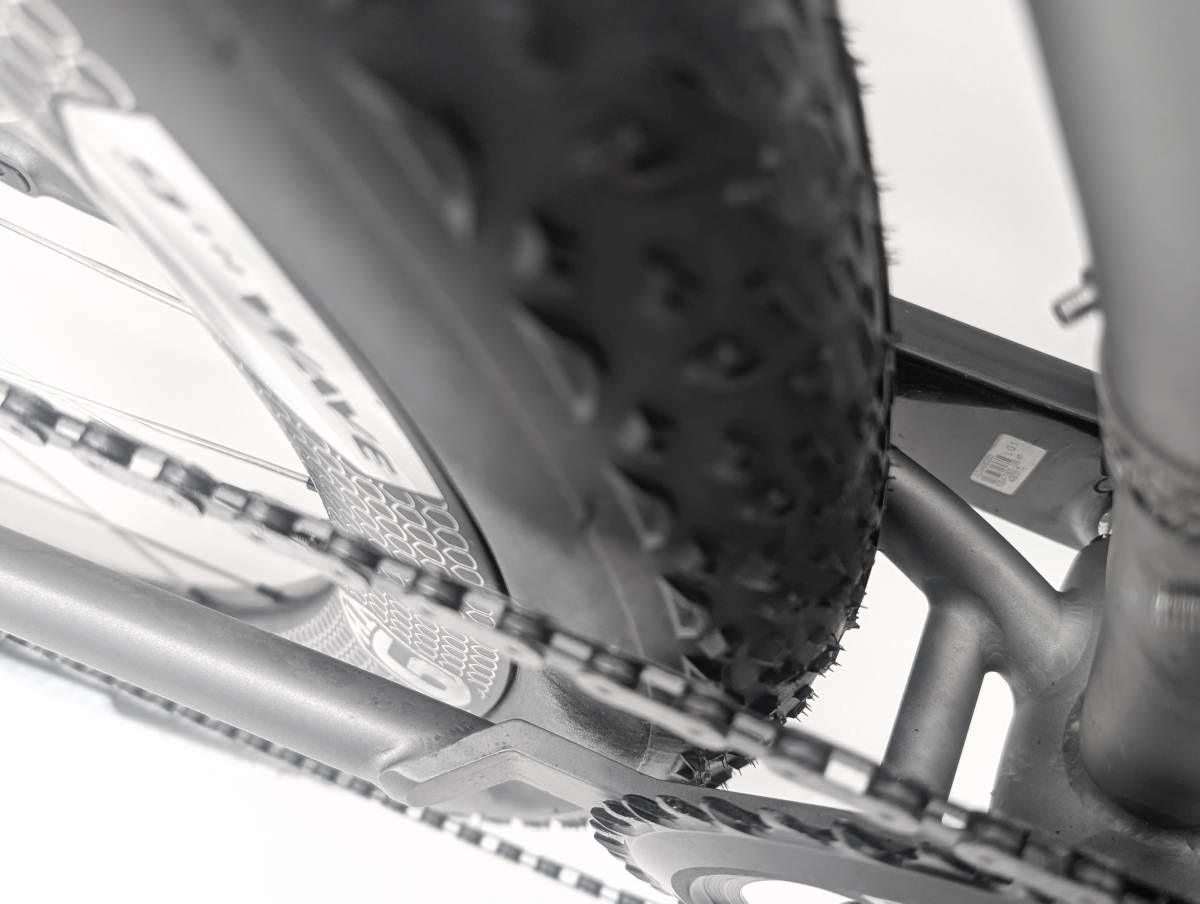
While remaining compact, the TRITONE’s rear end accommodates up to a 64mm tire, accepts 1x chainrings up to 54T with a 47.5 chainline, and runs in a boost 148 configuration, with a 150mm road Q-factor crank.
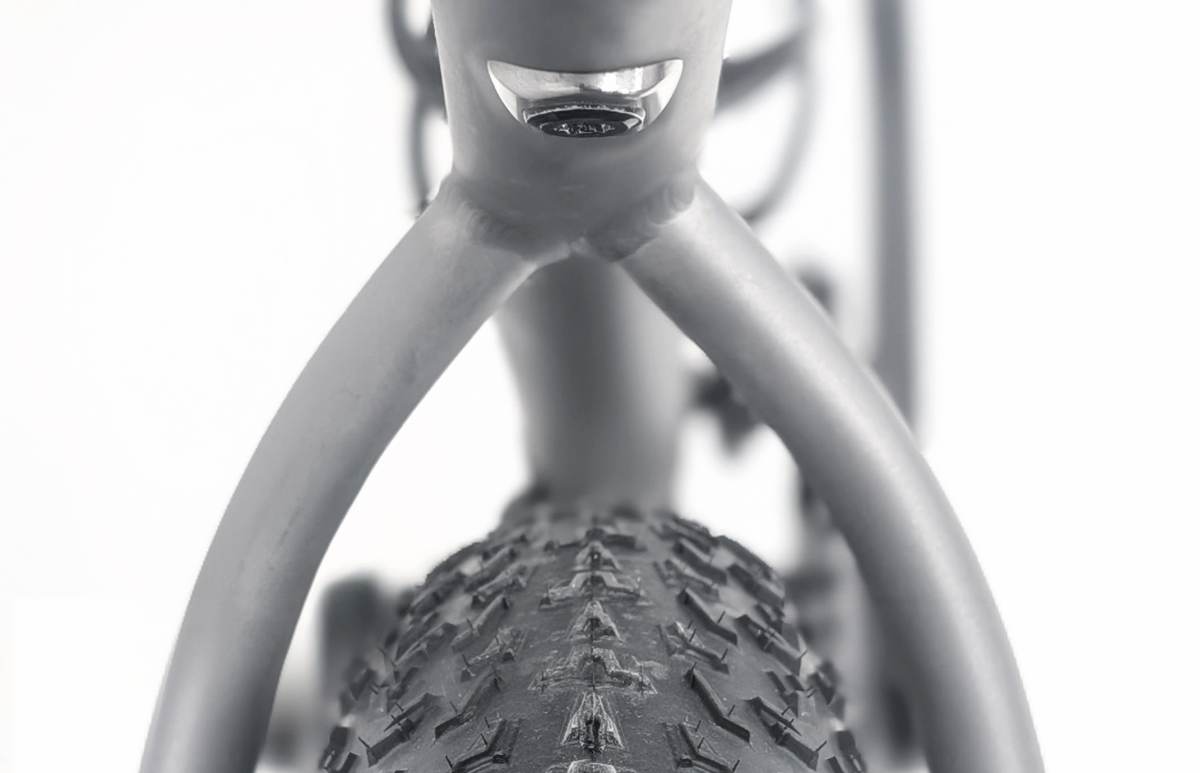
The bottom bracket is an 86.5 mm T47, a road-specific internally cupped design. A road crankset, a large chainring, and an extreme gravel tire all fit together in the same space, and the stability of Boost comes into play on a bike whose drivetrain setup remains that of a racing bike.
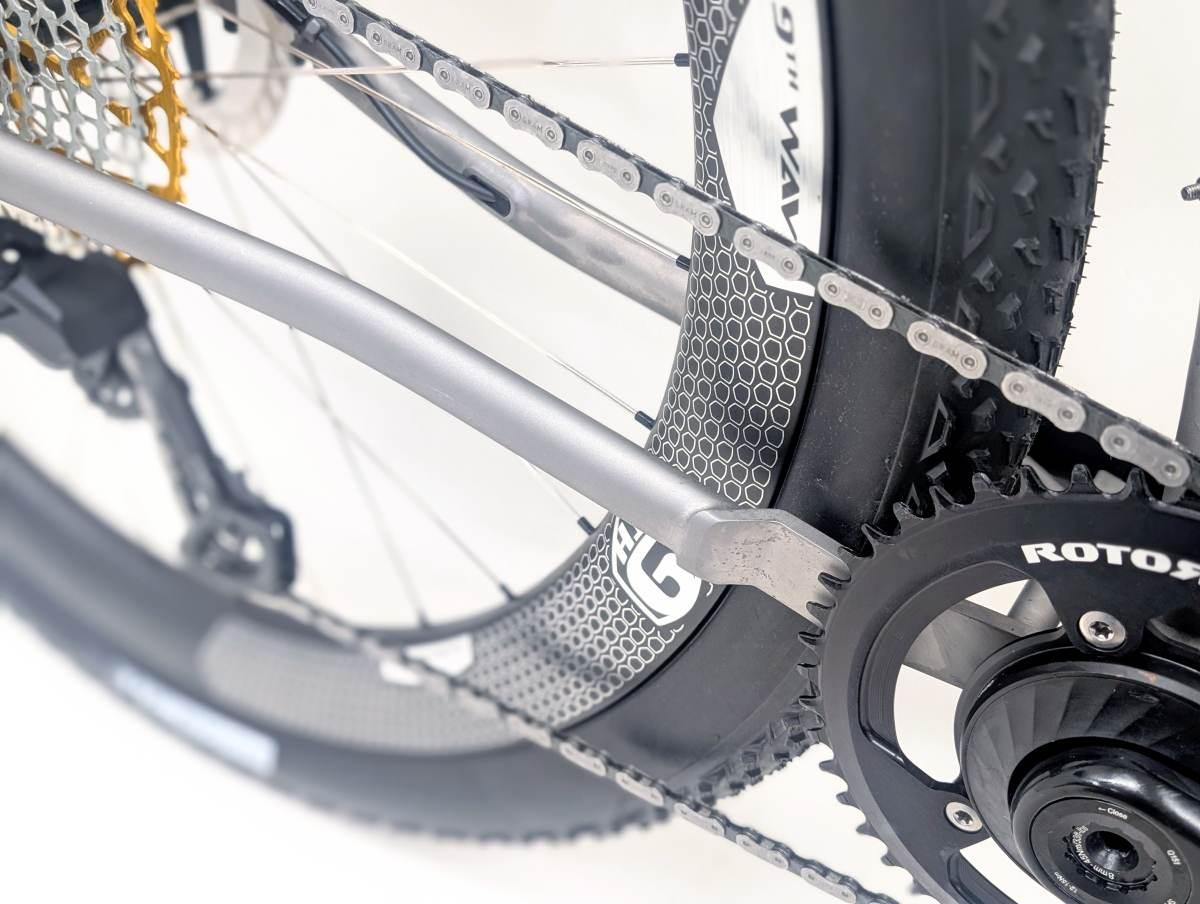
Where the two seat stays open like an OMEGA to manage tire clearance, the section is designed so that the rear end squashes under load in a decidedly uphill direction.
That vertical deformation is traction: it is the part of the project that has been dedicated the most time, and the starting geometry comes from the MUUR.
THREE POSITIONS ON THE SAME FRAME
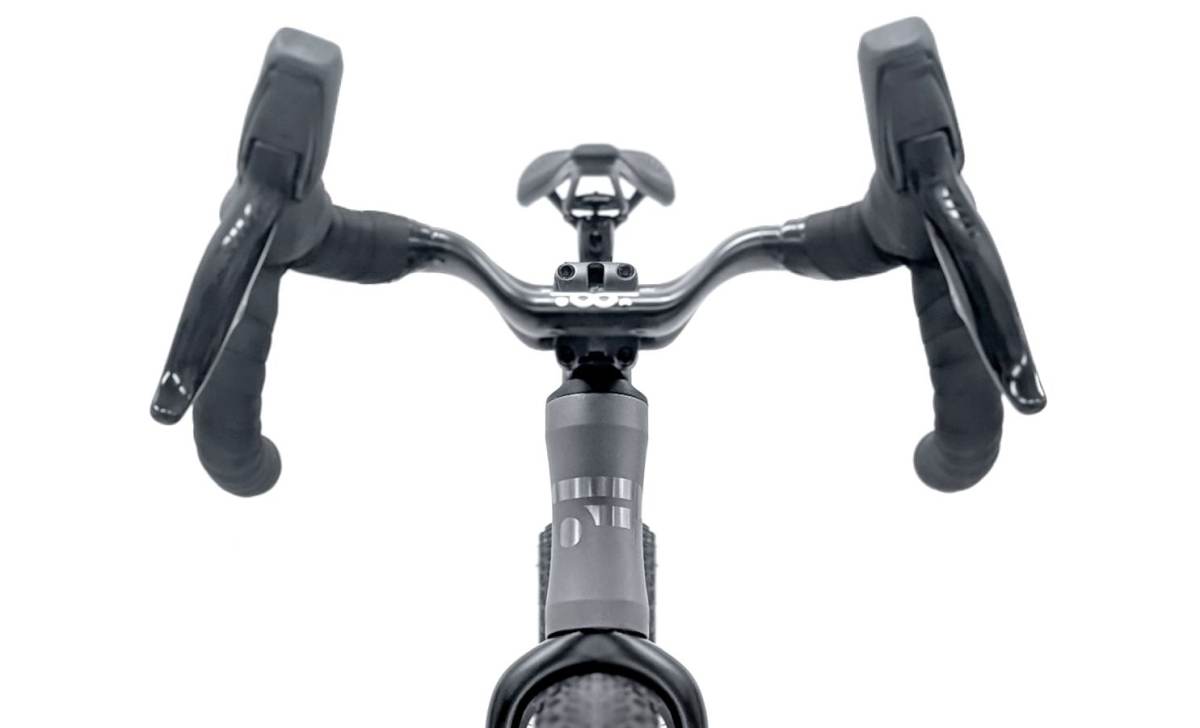
A stage race doesn’t require just one position. At speed, you need an aerodynamic position that the extended reach and the MARASSHA GR cockpit make possible; when climbing and in technical riding, you need the ability to move. TRITONE solves this problem with a seatpost that can be configured with three setback positions—0, +10, and +20, and the position is just right.
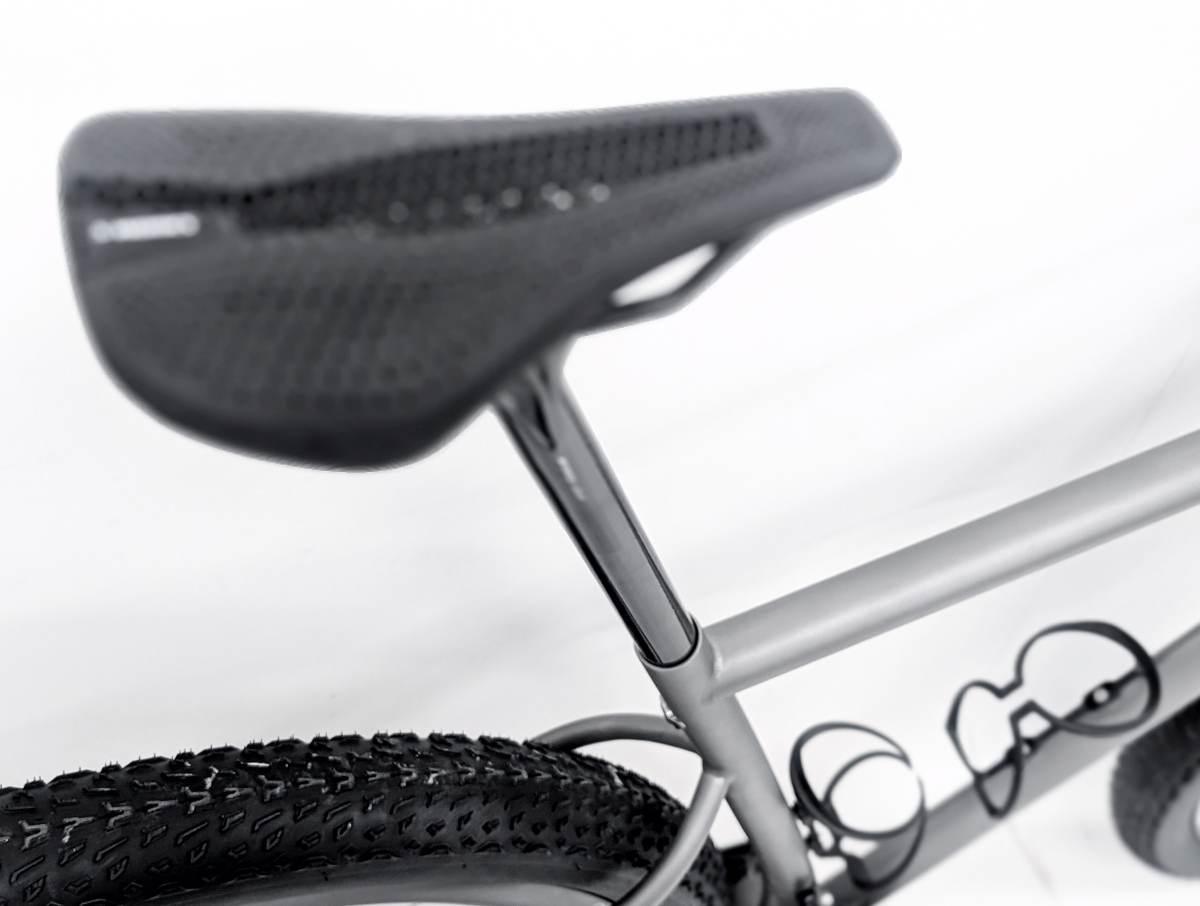
Instead of the negative setbacks of market standards, the increased reach corresponds to an advancement of the position.
On a 32 inch the seattube cannot be closed beyond a certain angle without losing the passage of the tire and the traction of the rear: the advancement comes from the seat post which allows to maintain the ideal setback for the athlete without penalizing traction.
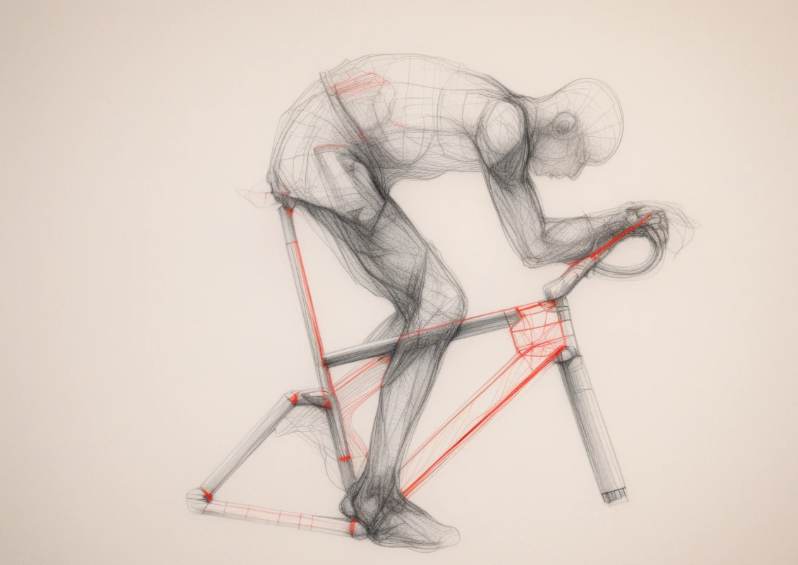
The intuition was developed with another “giant”, Jan-Willem van Schip, who has been working on this with the Factory Team for years.
WHERE THE METHOD COMES FROM
Ritzinger raced the Six Days of Berlin with the Factory Team on THEFALCON. On the road, he won the Tour of Hellas with ASHAA and MARASSHA cockpits, and on gravel, he’s already won the World Series in South Africa.
Felix’s position was found by combining race data and reverse engineering acquisitions of the bikes used with simulator sessions: a simulator session within the HORAI process®, with the cyclist under stress and in different conditions it allows the dynamic position to be varied until the configuration is the most balanced for him, always having as a reference the CdA determined by the frontal area and the weight balance between the front and rear axles (on which traction depends).
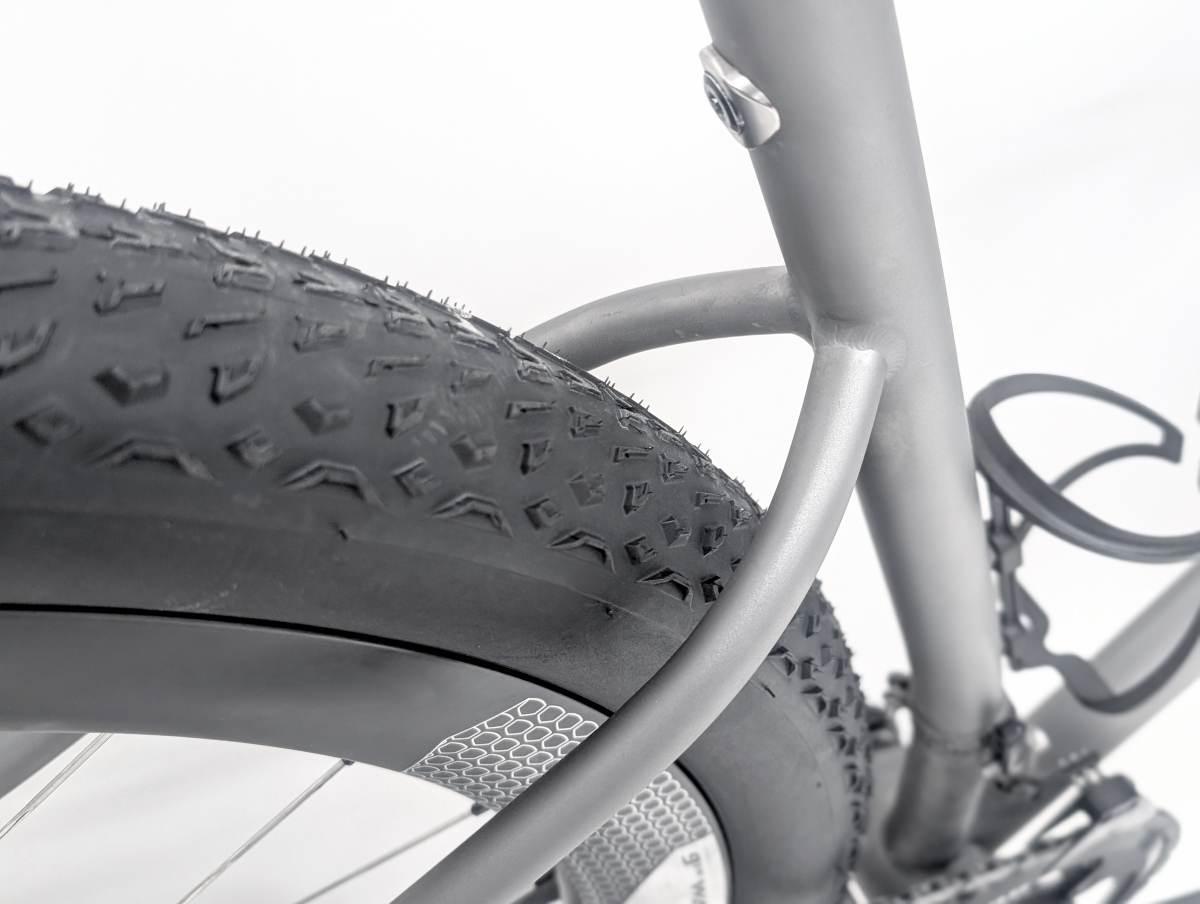
It is from the cross-referencing of simulation data and qualitative data that the position defined by the supports is extracted, and consequently the geometry of the frame, the position of the components and the best balance between the parts.
To achieve the same position (i.e. his best performance comfort zone) with a production bike, Felix would have been forced to use an XL with a 200mm head tube, a 190mm negative stem and a 40mm advanced seatpost: a series of intrinsic contradictions that are essential to adapting a bike to a particular position.
HORAI®, with TRITONE, has allowed us to do the opposite.
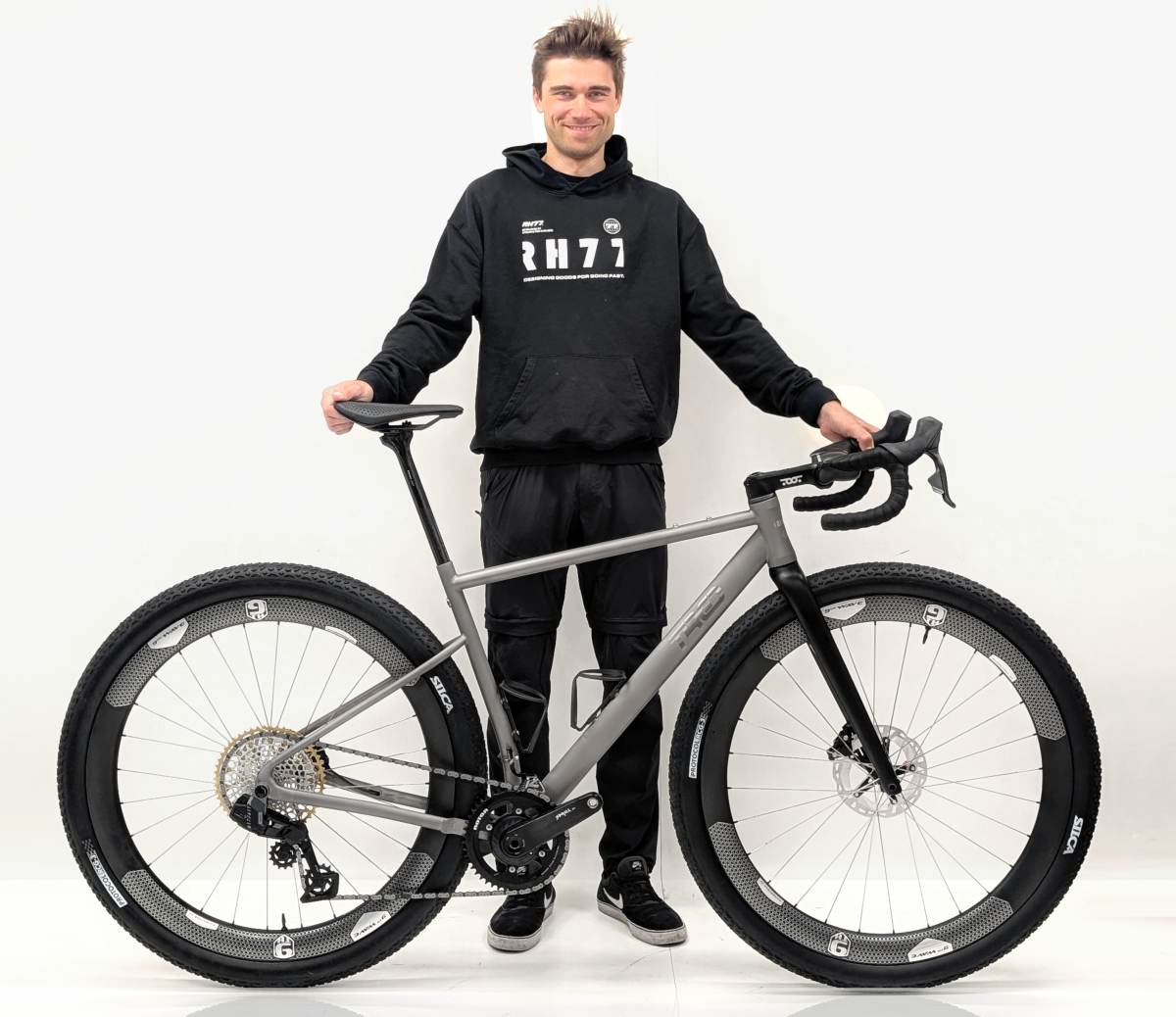
The derivation from the track bikes and experience is horizontal. The method extends to other disciplines and allows for the development of different bicycles for different uses, and in this case it has produced a frame that has nothing in common with a track bike except the way the design inputs were defined.
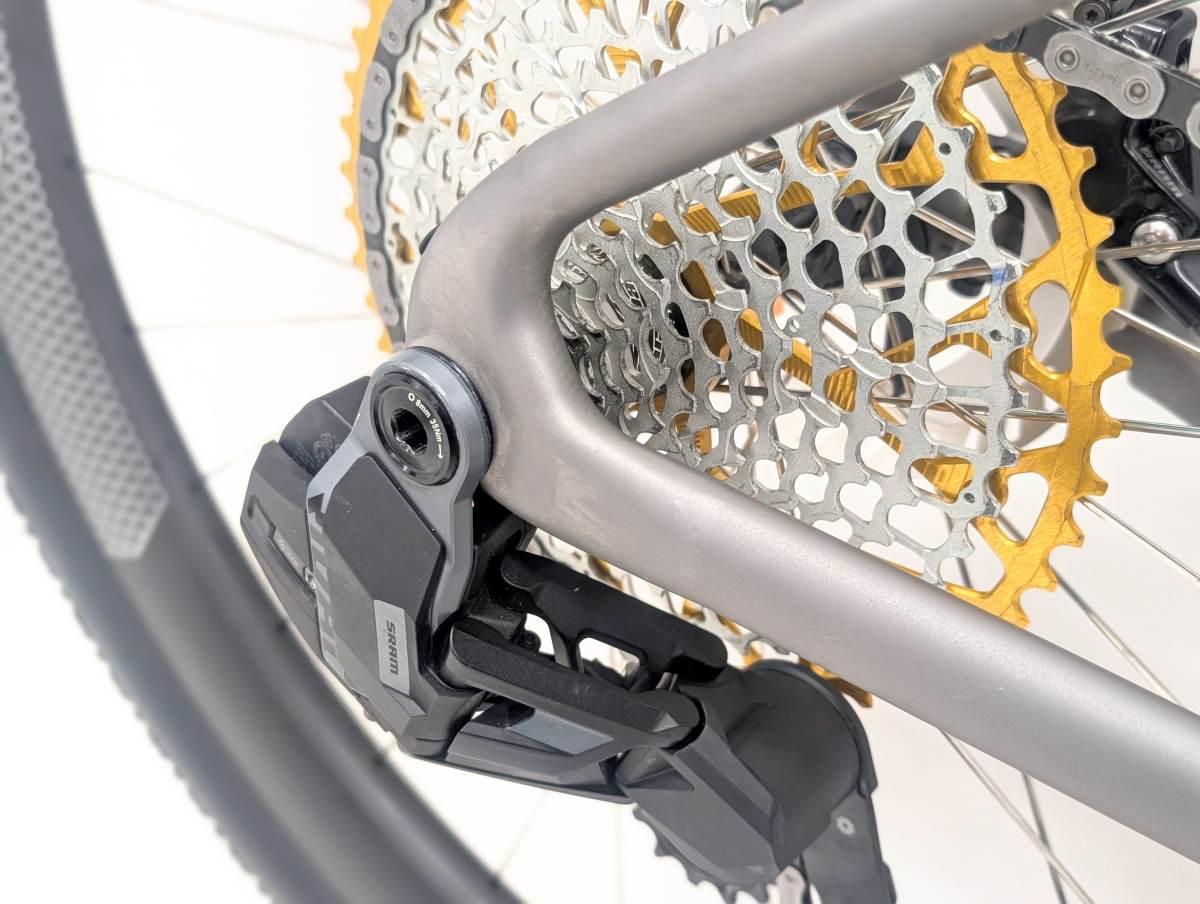
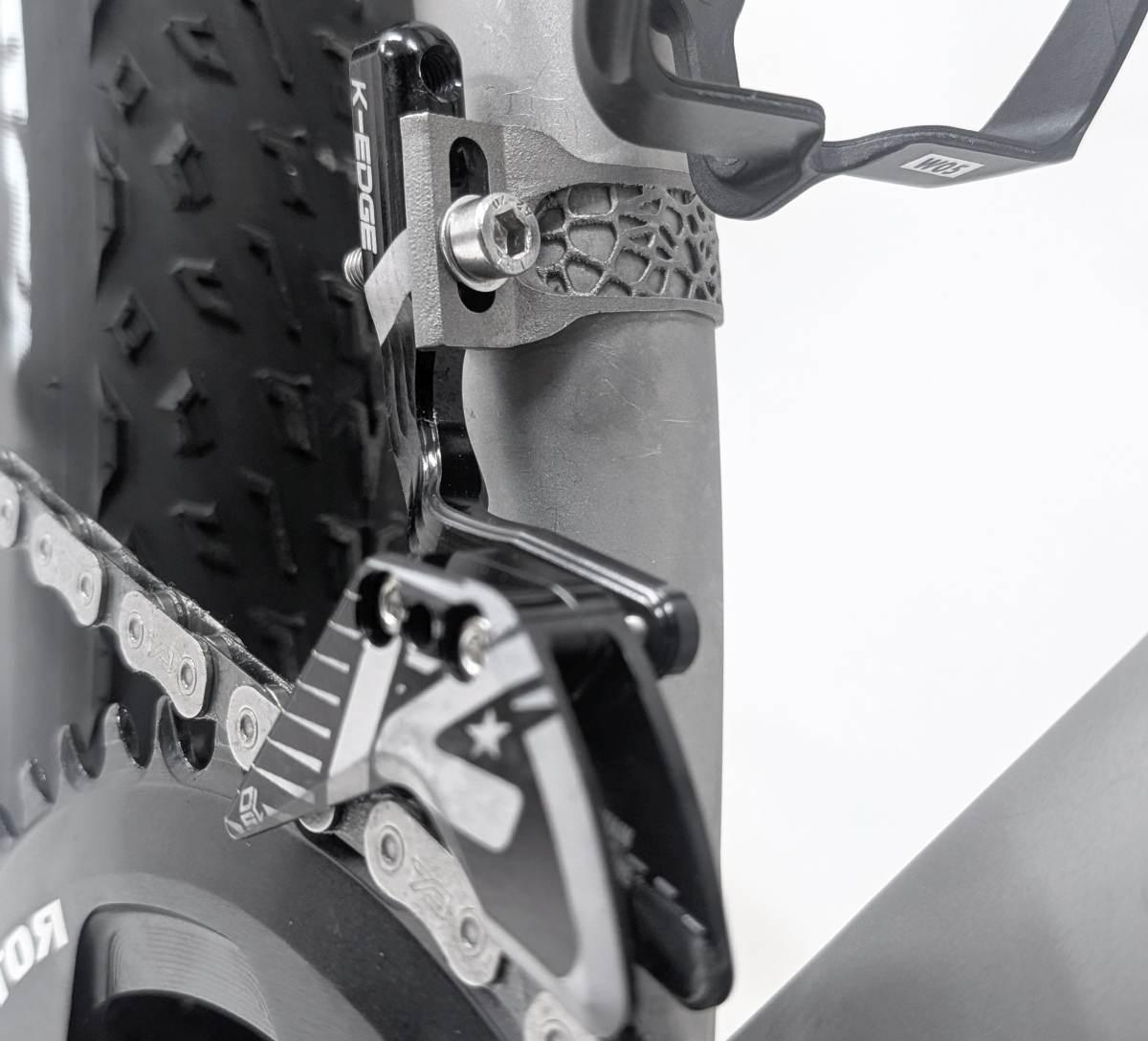
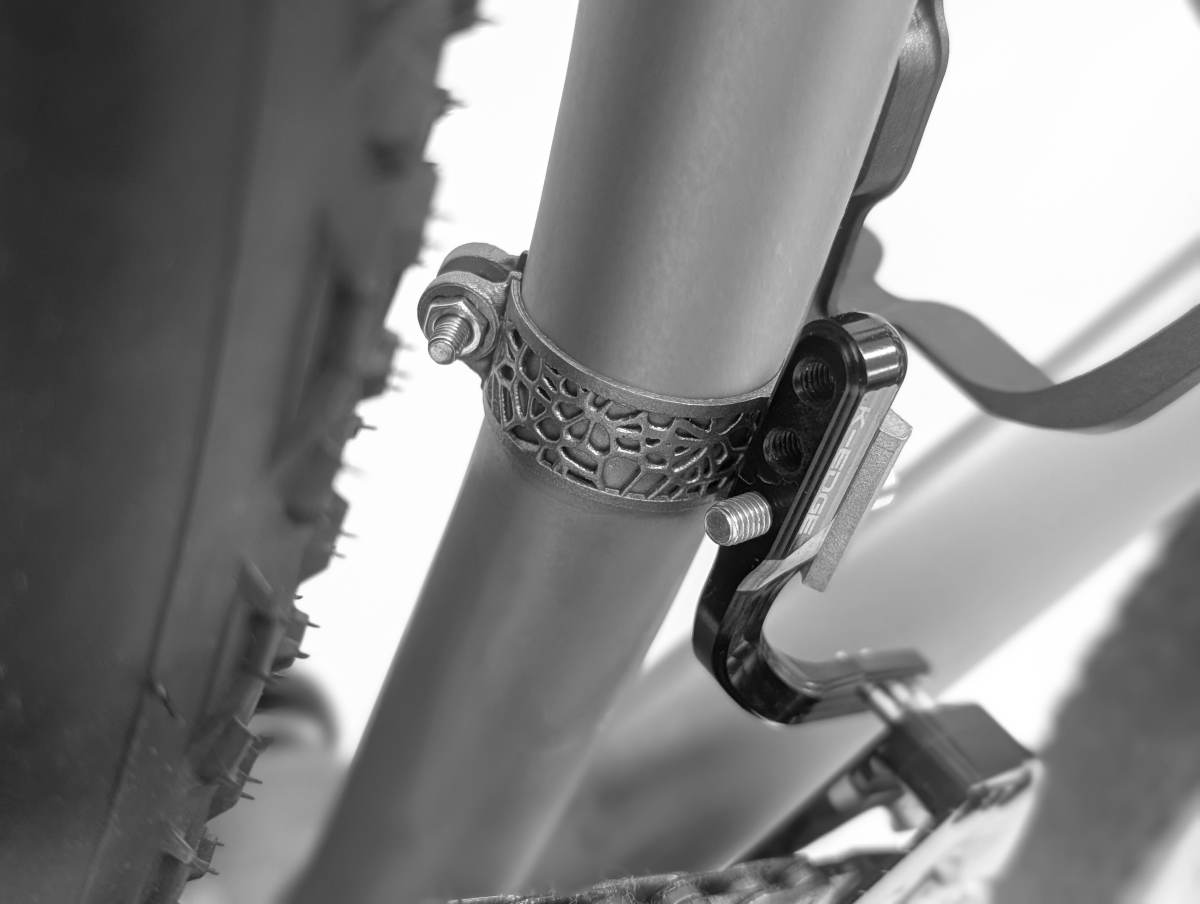
TRITONE combines 3D printed parts and hydroformed tubes with the HydroFOURTi® process allowing for solutions (such as large wheel clearance with road crankset and large chainring) that traditional processes would have led to compromises on roads.
THE RACE CONFIGURATION
At the Gravel Burn the TRITONE mounts SRAM XPLR with Garbaruk 10-52T cassette and Rotor chainring on TOOT Engineering drivetrain, MARASSHA GR cockpit, 9th Wave Sandstone SL32 LTD wheels with 52 mm profile carbon rims and Silca Protocol RCG tires.
THE READY-MADE CONFIGURATION FOR EVERYONE
The configuration tested and which will be proposed as the THECLUB setup includes the new Rotor 1×13 long cage groupset, with dedicated TOOT Engineering drivetrain. How to order it? Get in touch with TOOT Engineering via info@tootengineering.com to start the geometry customization process – even remotely.
“Very fast and very stable. Easy to ride, and with plenty of traction. The aerodynamics are a natural consequence of the position I want.”Felix Ritzinger, after the first outing on the TRITONE.
“A 1.91 meter body isn’t a borderline case. While Felix was here in Montichiari doing a bike shakedown, we had two lanky friends drop by who fell in love with the balance between the bike’s proportions and their height. It’s a case of where size and standards fail, and it highlights something that applies even to the average rider. The cyclist must be the protagonist; the bike must be born from them.” – Romolo Stanco
SPECS — TRITONE, GRAVEL BURN CONFIGURATION & CLUB EDITION
- Titanium frame, 3D printed parts and hydroformed tubes (HydroFOURTi)
- Custom fork – TOOT 432B, axle to crown 445 mm boost 110mm
- Tire clearance up to 64 mm
- Bottom bracket T47, 86,5 mm
- Rear hub boost 148
- Chainline 47,5
- Q factor crank150 mm (road)
- Seatpost configurable, setback 0 / +10 / +20
- Cockpit MARASSHA GR
- Transmission in competition SRAM XPLR · Cassette Garbaruk 10-52T · Chainring Rotor
- Proposed transmission Rotor 1×13 long cage, drivetrain TOOT Engineering
- Wheels 9th Wave Sandstone SL32 LTD, profile 52 mm
- Tires Silca Protocol RCG (SCHWALBE RS RX 55mm)
ABOUT TOOT ENGINEERING
TOOT Engineering designs and builds custom frames and components for each individual cyclist, with geometry and mechanical characteristics generated from that person’s data rather than from a size chart.